The US Patent Office has put forth regulations to end the our ability to challenge improperly granted patents in the Patent Office. These new rules will be a gift to patent trolls by keeping bad patents alive to stifle innovation. As the EFF notes: People targeted with troll lawsuits will be left with almost no realistic or affordable way to defend themselves.
We have until the end of Tuesday, December 2nd to file comments opposing these rules. The Biden administration tried to get these rules passed in 2023, but thousands of people stopped them. We need to stop the Trump administration from getting these rules passed!
The Inter partes review (IPR) process was voted on by Congress in 2013. Congress defined how it should work and who it applies to. The Patent Office must not add additional regulations that limit our access to it. The EFF points out why these rule changes are harmful:
Inter partes review, (IPR), isn’t perfect. It hasn’t eliminated patent trolling, and it’s not available in every case. But it is one of the few practical ways for ordinary developers, small companies, nonprofits, and creators to challenge a bad patent without spending millions of dollars in federal court. That’s why patent trolls hate it—and why the USPTO’s new rules are so dangerous.
IPR isn’t easy or cheap, but compared to years of litigation, it’s a lifeline. When the system works, it removes bogus patents from the table for everyone, not just the target of a single lawsuit.
IPR petitions are decided by the Patent Trial and Appeal Board (PTAB), a panel of specialized administrative judges inside the USPTO. Congress designed IPR to provide a fresh, expert look at whether a patent should have been granted in the first place—especially when strong prior art surfaces. Unlike full federal trials, PTAB review is faster, more technical, and actually accessible to small companies, developers, and public-interest groups.
As an example why we need the IPR process: Personal Audio tried to squeeze royalties from podcasters. Without IPR, EFF would not have been able to challenge their patent and Personal Audio would have continued to shake down podcasters.
Please take a couple of minutes to submit your comments about why we cannot let bad patents slip through unchallenged. You can write your own or use the following draft comment we borrowed from the EFF and modified:
I oppose the USPTO’s proposed rule changes for inter partes review (IPR), Docket No. PTO-P-2025-0025. The IPR process must remain open and fair. The Patent Office does not have the ability to legislate and must not limit who can take advantage of the IPR process beyond what Congress has authorized. Patent challenges should be decided on their merits, not shut out because of legal activity elsewhere. These rules would make it nearly impossible for the public to challenge bad patents, and that will harm innovation and everyday technology users.
or you can use their comment as they wrote it:
I oppose the USPTO’s proposed rule changes for inter partes review (IPR), Docket No. PTO-P-2025-0025. The IPR process must remain open and fair. Patent challenges should be decided on their merits, not shut out because of legal activity elsewhere. These rules would make it nearly impossible for the public to challenge bad patents, and that will harm innovation and everyday technology users.
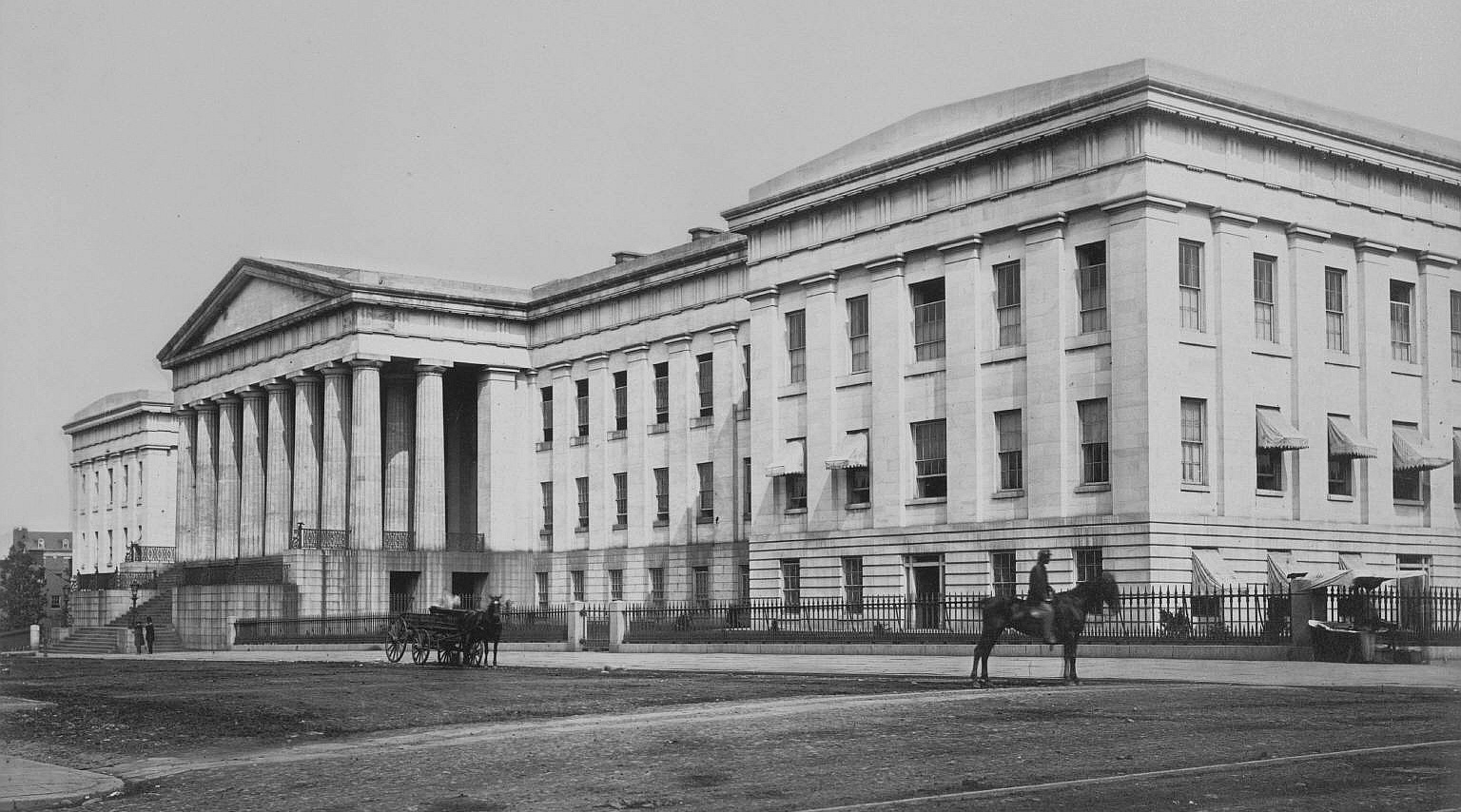

The US Patent Office has put forth regulations to end the our ability to challenge improperly granted patents in the Patent Office. These new rules will be a gift to patent trolls by keeping bad patents alive to stifle innovation. As the EFF notes: People targeted with troll lawsuits will be left with almost no realistic or affordable way to defend themselves.
We have until the end of Tuesday, December 2nd to file comments opposing these rules. The Biden administration tried to get these rules passed in 2023, but thousands of people stopped them. We need to stop the Trump administration from getting these rules passed!
The Inter partes review (IPR) process was voted on by Congress in 2013. Congress defined how it should work and who it applies to. The Patent Office must not add additional regulations that limit our access to it. The EFF points out why these rule changes are harmful:
As an example why we need the IPR process: Personal Audio tried to squeeze royalties from podcasters. Without IPR, EFF would not have been able to challenge their patent and Personal Audio would have continued to shake down podcasters.
Please take a couple of minutes to submit your comments about why we cannot let bad patents slip through unchallenged. You can write your own or use the following draft comment we borrowed from the EFF and modified:
or you can use their comment as they wrote it:
If you enjoyed this post, please consider leaving a comment or subscribing to the RSS feed to have future articles delivered to your feed reader.